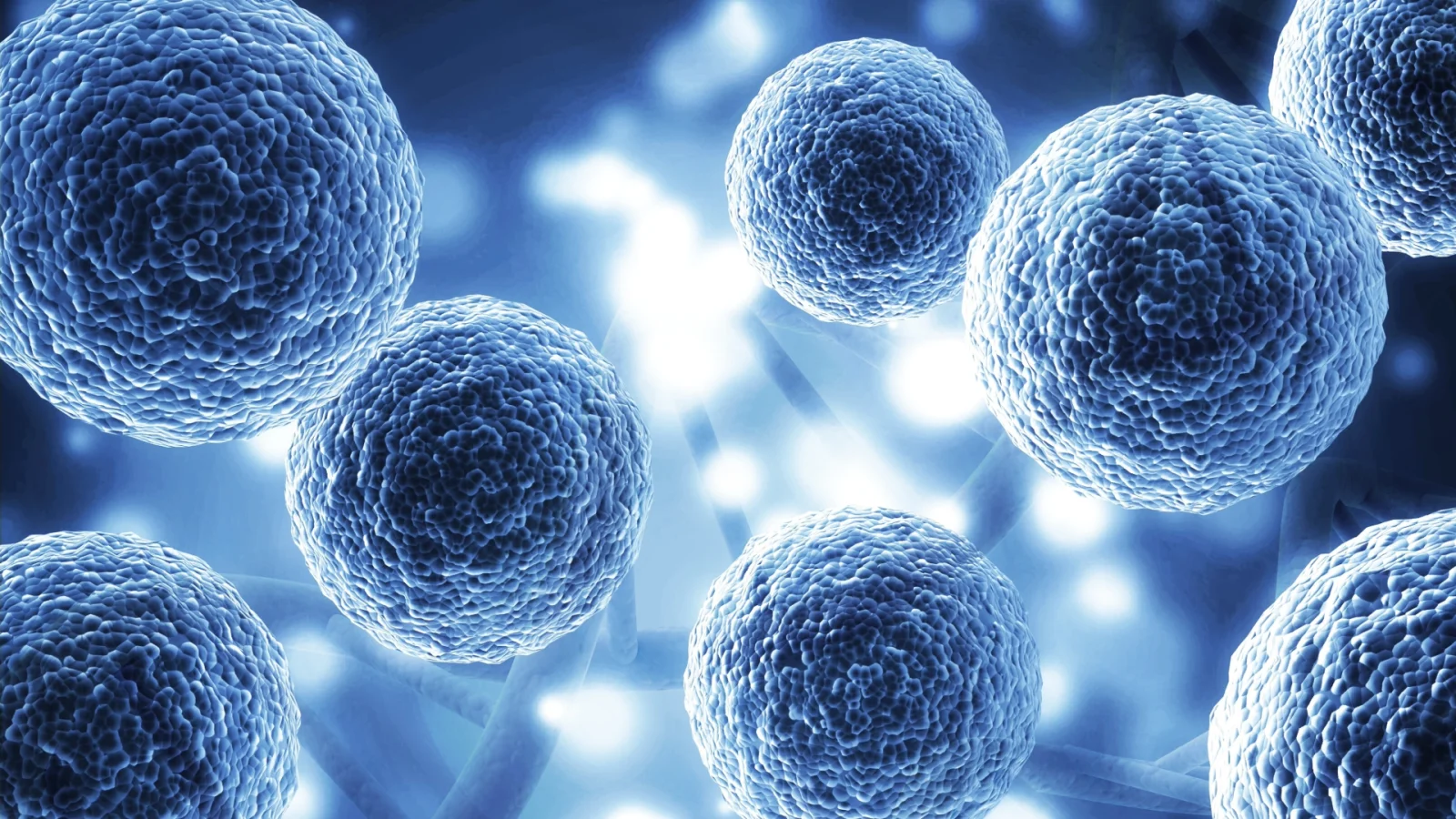
Stem cells are one of the continuously developing fields in medicine. Stem cells have unique characteristics that allow them to self-renew and develop into various types of cells in the body. This ability makes stem cells an important part of the development of regenerative medicine.
What Are Stem Cells?
Stem cells are cells that do not yet have a specific function like most body cells. These cells have two main characteristics: the ability to multiply and the ability to differentiate into specific cell types.
Based on their source, stem cells can be obtained from various tissues, including bone marrow, fat tissue, umbilical cord, and other sources. Each type of stem cell has different characteristics and potential uses.
How Do Stem Cells Work?
Stem cells not only have the ability to develop into specific cell types. Stem cells can also interact with their surrounding environment through various biological mechanisms.
Stem cells can produce or influence various factors that play a role in communication between cells and the tissue environment. These mechanisms are an important part of regenerative medicine because they relate to the processes of interaction and regeneration of body tissues.
The mechanism of action and response to stem cell therapy can differ for each individual. The results obtained can also be influenced by various factors, such as the patient's condition, the type and source of cells used, the method of administration, and the condition being treated.
Types of Stem Cells
In general, stem cells can be categorized based on their source and characteristics.
1. Adult Stem Cell
Adult stem cells are stem cells found in various body tissues after a person is born. One example is mesenchymal stem cells (MSC), which have characteristics and potential in supporting tissue regeneration processes in the field of regenerative medicine.
2. Umbilical Cord Stem Cell
Stem cells derived from umbilical cord tissue or blood are one source of stem cells that have certain biological characteristics. Stem cells from this source have the potential to be used in various regenerative medicine approaches and have become part of the development of cell-based medical applications.
3. Embryonic Stem Cell
Embryonic stem cells come from the early stages of embryo development and have the ability to differentiate into various types of cells in the body.
Potential Uses of Stem Cells
Stem cells are one part of the development of regenerative medicine and have the potential to be used in various health fields, including musculoskeletal, metabolic, neurological, cardiovascular, and other fields.
The use of stem cells can be directed to help support tissue regeneration processes and maintain the function of tissues that have been damaged or have decreased function. However, the benefits and effectiveness of stem cells can differ for each condition and each individual.
Therefore, the use of stem cells needs to be adjusted to the patient's condition and medical needs and carried out based on the doctor's evaluation.
Stem Cells Are Not Just "Replacement for Damaged Cells"
One thing that needs to be understood is that stem cells do not always work by directly replacing damaged body cells.
Stem cells can interact with surrounding cells and produce various biological factors that can influence the tissue environment. These interactions are an important part of the regenerative medicine process.
The mechanism of action of stem cells is quite complex, and responses to therapy can differ for each patient. Therefore, the benefits and results of therapy cannot be generalized, as they can be influenced by health conditions, the type and source of stem cells, the method of administration, and the condition being treated.
Is Stem Cell Therapy Safe?
The level of risk can differ for each patient, depending on the type and source of cells used, the method of administration, the patient's health condition, and the procedure performed.
Before undergoing therapy, patients need to receive clear information regarding the procedure, expected benefits, possible risks and side effects, limitations of therapy, and other treatment options.
Medical evaluation before the procedure is also important to ensure that the therapy is appropriate for each patient's condition and needs.
The Importance of Consultation Before Therapy
Not all medical conditions require stem cell therapy, and not all patients are suitable candidates.
Consultation with a doctor is necessary to understand the patient's overall health condition. The doctor can consider health history, diagnosis, medications currently being taken, supporting examination results, and therapy goals before providing recommendations.
Patients are also advised to convey all information regarding their health condition and ongoing treatment so that the doctor can carry out a more accurate evaluation.
Conclusion
Stem cells are part of the development of regenerative medicine and have characteristics and potential in supporting the regeneration process and function of body tissues. Stem cells can come from various sources, such as body tissues, umbilical cord, and other sources, with different characteristics and uses.
The way stem cells work involves interaction with surrounding cells and the tissue environment, so responses and therapy results can differ for each individual. Therefore, stem cell therapy needs to be adjusted to each patient's condition, needs, and medical goals.
Consultation and evaluation by a doctor are important steps before undergoing therapy to determine the suitability of the procedure and provide an understanding of the procedure, benefits, risks, and limitations of therapy.